Shin Splints
If you experience pain or tenderness along your shins after walking, running, or exercising, it may be a sign of shin splints.
This condition is also known as medial tibial stress syndrome. It is one of the most common overuse injuries in the lower leg and can be quite painful. It tends to affect runners, athletes, and people starting new fitness routines more than anyone else.
At Gold Coast Foot Centres, our experienced podiatrists will quickly and accurately diagnose the cause of your lower leg pain. They will also develop a personalised treatment plan to relieve you of discomfort, encourage the injury to heal, and help to prevent it from ever returning.
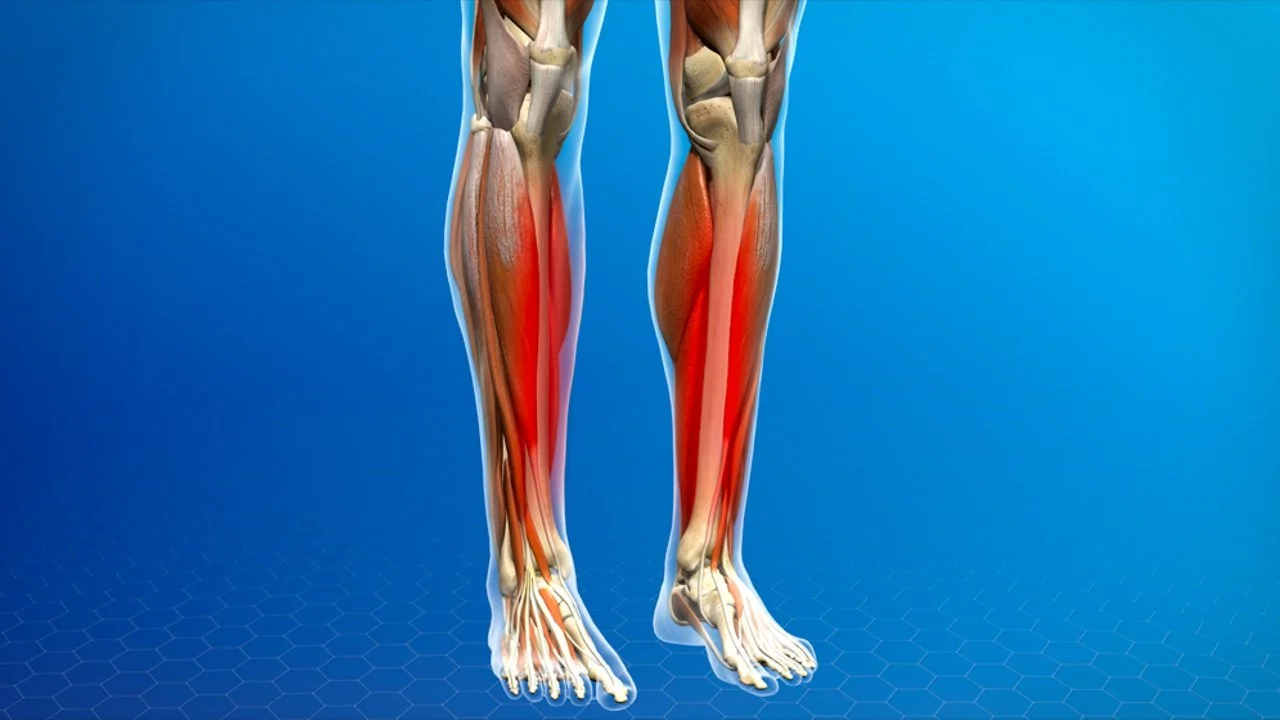
What Are Shin Splints (Medial Tibial Stress Syndrome)?
Shin splints refer to pain and inflammation along the tibia, or shinbone. Typically, it is felt on the inside or front of the lower leg. The issue occurs when the muscles, tendons, and bone tissue become overworked. Most often, this is from repetitive or high-impact activities.
People often describe the pain as a dull, aching sensation that worsens during exercise and improves with rest. In some cases, the discomfort can progress into more constant pain. This can affect them, even during run-of-the-mill daily activities.
It can be difficult to tell shin splints apart from more serious conditions such as stress fractures or compartment syndrome. That is why it should always be assessed by an experienced and licensed professional.
How Do I Know if I Have Shin Splints?
The most common sign of shin splints is a dull, aching pain that is felt along the front or inner edge of the shinbone. Such discomfort often starts during exercise and may gradually worsen as the activity continues or becomes more intense.
Some people also experience tenderness or mild swelling around the affected area. This pain can linger even after resting. If you have been running, jumping, or walking long distances, you might even notice tightness or muscle fatigue in your lower legs.
Shin Splints vs Other Injuries
While these symptoms may sound familiar, it’s important to remember that shin pain can come from several different causes. Conditions such as stress fractures, muscle strains, or compartment syndrome can feel quite similar to shin splints. However, each needs to be managed differently.
Stress fractures, for instance, tend to cause sharper, pinpoint pain in one specific area of the bone. Shin splints, on the other hand, usually create a broad and more generalised ache along the tibia.
Because these conditions can overlap, it is essential to have them professionally assessed by an experienced podiatrist. At Gold Coast Foot Centres, our team uses a detailed clinical examination and gait analysis to determine whether your shin pain is caused by medial tibial stress syndrome or another issue.
The earlier we can identify the exact cause of your pain, the quicker we will be able to formulate the right treatment plan for you.
What Causes Shin Splints?
Shin splints develop when the muscles, tendons, and bone tissue around your shinbone become overworked and inflamed. This often occurs due to repetitive stress on the lower legs. That is why runners, walkers, and other physically active individuals are more susceptible to it. Notwithstanding, it can affect anyone whose activity places repetitive strain on the lower legs.
The condition is usually linked to a combination of training habits, footwear issues, and biomechanical factors that increase strain on the tibia. Some of the most common causes include:
Sudden increases in training intensity or duration.
Running on hard surfaces like concrete.
Improper footwear that lacks adequate shock absorption.
Flat feet or excessive foot pronation.
Tight calf muscles or weak core and hip muscles.
Poor running form or gait irregularities.
Participating in high-impact activities such as sprinting or jumping sports.
Why You Should See a Podiatrist for Shin Splints on the Gold Coast
Mild shin pain might seem like something you can “just live with” for a while. But ignoring shin splints can result in you experiencing long-term complications, such as stress fractures and chronic inflammation.
At Gold Coast Foot Centres, we specialise in diagnosing and managing sports injuries and biomechanical issues. Drawing upon advanced tools and gait analysis, our experienced podiatrists will comprehensively assess how your feet and legs function during various activities.
Based on their findings, they will then recommend a range of treatment options. Depending on the severity of your condition, this might include custom orthotics, footwear modifications, and strengthening programs to promote long-term recovery.
Our Shin Splints Treatment Approach
If you are experiencing shin splints and seek treatment at any of our Gold Coast locations, here is what you can expect.
1. Initial Assessment & Diagnosis
On your first appointment with them, our podiatrist will undertake a detailed assessment. During this time, they will gain a better understanding of your level of activity, training habits, the footwear you use, and your specific pain patterns.
They will likely examine your lower legs for tenderness, swelling, and alignment. Your gait and foot posture will also be evaluated.
In some cases, imaging such as X-rays or scans may also be recommended. Usually, this is to rule out fractures or other causes of tibia bone pain.
2. Tailored Treatment Plan
Once they have formulated their diagnosis, your podiatrist will develop a treatment plan aimed at reducing your pain and bringing you back to full fitness. It may include:
Prolonged rest and recovery to allow the inflamed tissues to heal.
Ice therapy to reduce pain and swelling.
Stretching exercises for shin splints to improve flexibility.
Strengthening calf muscles and lower leg stabilisers.
Orthotics for shin splints to correct foot pronation and reduce stress on the tibia.
Shock absorption footwear recommendations to support your gait.
Gradual return-to-activity programs to rebuild strength safely.
Our experts often incorporate physiotherapy treatment, gait retraining, and education about footwear into their strategy. This is designed to provide long-term pain relief and prevent the condition from recurring.
Recovery & Return to Activity
Most people recover from shin splints within several weeks if they follow our professional guidance. However, recovery times vary depending on the severity of the injury and the timing of treatment after it occurs.
Once the pain has subsided, our team will guide you through a gradual return to running and other activities. You will also be encouraged to perform regular stretching and strengthening exercises, as well as wear proper footwear, to reduce the risk of feeling shin soreness again after exercising.
Preventing Future Episodes of Shin Splints
Prevention is always better than cure, which is why it is a key part of our care approach. Here are several practical ways you can reduce your risk of suffering from shin splints ever again:
Properly warm up and stretch before physical activity.
Gradually increase training loads to avoid sudden strain.
Wear supportive shoes that are best suited to your activity and foot type.
Regularly replace worn-out footwear.
Schedule rest days into your routine
Address biomechanical issues as early as possible with custom orthotics or strengthening programs.
At Gold Coast Foot Centres, our highly qualified and experienced podiatrists can assess your current footwear to determine the best options for you.
They can also recommend specific shoes that provide the best shock absorption. Additionally, they can create custom orthotic devices, which are designed to support the natural alignment of your feet.
FAQs
-
Shin splints typically cause a dull, aching pain along the inner side of your lower leg. The area may feel tender to the touch. Sometimes, it might even be mildly swollen. You may find that pain usually worsens during exercise and eases with rest.
-
To improve the speed of your recovery from shin splints, make sure you rest from high-impact activities. It is also worth applying ice to the affected area, while wearing supportive shoes can ease symptoms. However, it’s best to get the injury properly assessed by a podiatrist. They can provide a structured plan that includes stretching, strengthening, and orthotic support. This should help to facilitate a faster recovery.
-
Your condition may worsen if you continue to run through the pain. This can even delay your healing. That is why we recommend you rest for a few days. Alternatively, if you want to stay active, consider switching to low-impact activities, such as swimming or cycling, until the pain subsides.
-
Ideally, you should see a podiatrist when you first experience the pain. However, if you decide to monitor it and the pain still persists despite rest, then you should make an appointment as soon as possible.